







Basic yellow 2 – toxicity, side effects, diseases and environmental impacts
11/14/2017 / By Frances Bloomfield
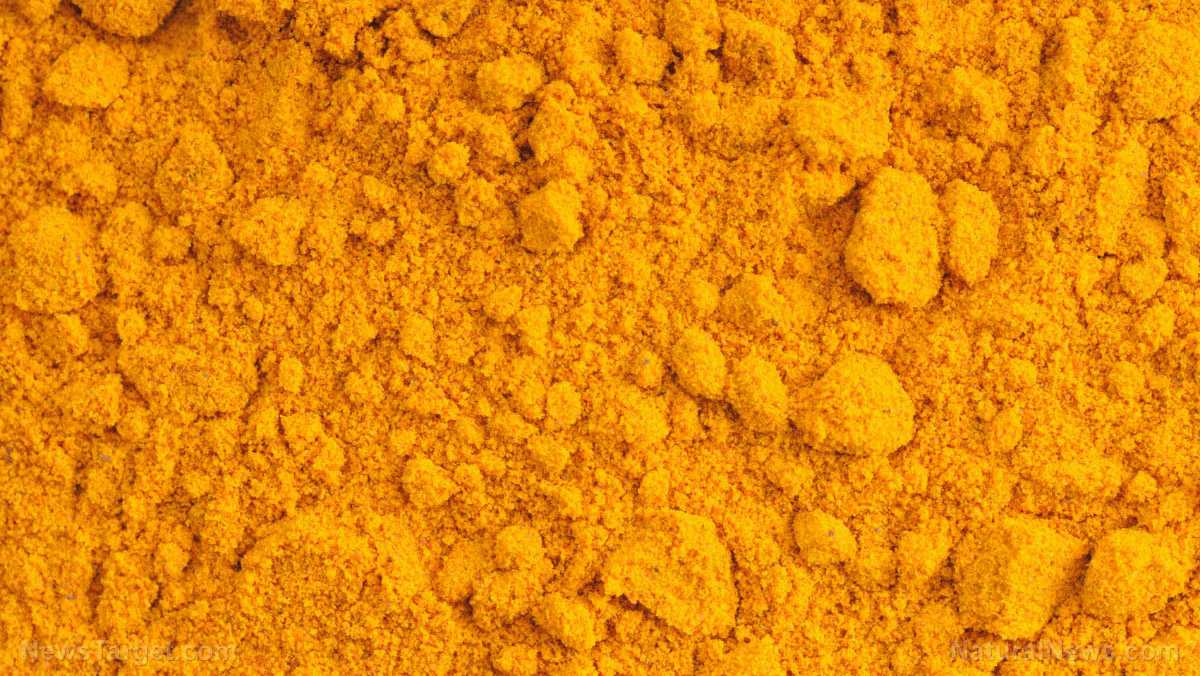
Basic yellow 2, also known as Auramine O, is a fluorescent, yellow, aniline dye marked by its lack of taste and odor, and its water solubility. In its pure form, basic yellow 2 appears as yellow, needle-shaped crystals.
This dye is known for being a disinfectant and antiseptic agent. Because of these properties, basic yellow 2 is quite popular in India, where it serves as an affordable and more readily available substitute to cow dung. Indian villages have used cow dung to clean their homes for many years, but the decreasing accessibility of this natural material has made them turn to basic yellow 2.
Despite its potent and desirable characteristics as a disinfectant and antiseptic, basic yellow 2 has been linked to a rash of large-scale health problems in India.
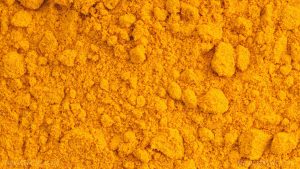
List of known side effects
Basic yellow 2 can be harmful or fatal if ingested. Such was the case in southern Tamil Nadu, a state in southern India. Over a thousand people were admitted to various government medical colleges from January 2014 to April 2017 for consuming basic yellow 2.
Of the 1,183 patients accounted for in a 2017 study of the phenomenon, 205 had died. Half of those deaths were within 24 hours of ingestion and were caused by cerebral edema or brain swelling. The remaining patients who died within two to three days of ingestion eventually succumbed to severe liver damage (fulminant hepatic failure, or acute liver failure) and its consequences on other parts of the body (hepatic encephalopathy, or declining brain function due to serious liver disease).
Those patients who survived basic yellow 2 consumption experienced a wide variety of symptoms, ranging from jaundice to vomiting to hypotension to seizures to oliguria or decreased urine production.
A similar and earlier study carried out in the city of Solapur arrived at a comparable conclusion. Of the 25 patients who had ingested basic yellow 2, 10 had epigastric pain and were vomiting, six cases showed signs of respiratory depression, and four had seizures. The researchers concluded that this substance had “neurotoxic and hepatotoxic properties”, and that its being a cationic dye can lead to “severe ocular injury on eye contact and damages the gastrointestinal mucosa.”
As per the New Jersey Department of Health and Senior Services, basic yellow 2 is a Special Health Hazard Substance because of its suspected carcinogenic properties. The organization stated that basic yellow 2 has been linked to “an increased incidence of bladder and prostate cancer in workers”, and has been connected to the liver and lymphatic cancers that were observed in animals.
Body systems affected by basic yellow 2
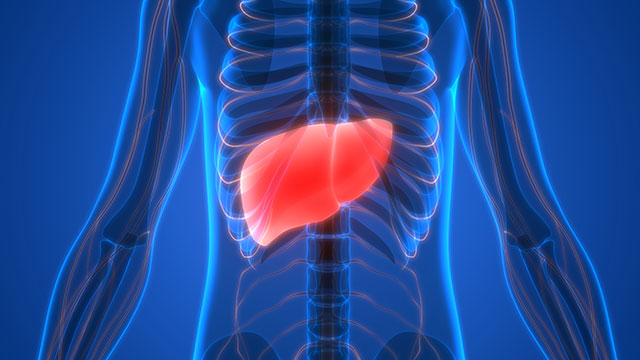
Basic yellow 2 is particularly damaging to the liver. Ingesting this substance can cause severe liver damage. Furthermore, The Carcinogenic Potency Project has noted that basic yellow 2 targets the liver.
In addition to being hepatotoxic, basic yellow 2 is neurotoxic, meaning it’s toxic to the nervous system. Ingestion of basic yellow 2 can result in central nervous system depression, a condition wherein the functions of the central nervous system slow down considerably.
Basic yellow 2 can seriously irritate the eyes.
Items that can contain basic yellow 2
Basic yellow 2 is marketed as “morechap powder” in some districts of Maharashtra, a state located in India’s western region.
Outside of India, basic yellow 2 is widely manufactured and supplied by numerous companies for use in dyeing cotton, leather, and hemp, and for the preparation of the colors to be utilized in ink. However, the basic yellow 2 content for these products is negligible, and its pure form is the one that causes most damage.
How to avoid basic yellow 2
Those who are most at risk of exposure to basic yellow 2 are the workers involved in its production. As such, there are a number of practices to keep in mind to prevent this substance from causing harm:
- Always wear the appropriate protective gear and clothing, and never take the contaminated work clothes home.
- Eye wash fountains and emergency shower facilities should be present in the immediate work area in case of emergency.
- Eating, drinking, and smoking around basic yellow 2 should be avoided. Moreover, hands should be washed before engaging in any of these activities following the handling of basic yellow 2.
- In case of spillage, avoid dry sweeping. Opt for the wet method or vacuuming with a high-efficiency particulate air (HEPA) filter instead.
Where to learn more
Summary
Basic yellow 2 is a substance that is highly dangerous to the liver. Ingesting this chemical can lead to renal damage and failure. Basic yellow 2 is believed to be a carcinogen as well, and is said to target the liver.
This substance may be carcinogenic to the prostate, bladder, and lymph nodes too.
Consuming basic yellow 2 may lead to other health problems as well, including but not limited to jaundice, decreased urine output, central nervous system depression, and vomiting.
Sources include:
IOSRJournals.org
ChemicallAnd21.com
JAPI.org
NJ.gov
ToxNet.NLM.NIH.gov
PubChem.NCBI.NLM.NIH.gov
WorldDyeVariety.com
Tagged Under: Basic yellow 2
RECENT NEWS & ARTICLES