Study Links High Consumption of Ultra-Processed Foods to Increased Crohn’s Disease Risk
05/17/2026 / By Coco Somers
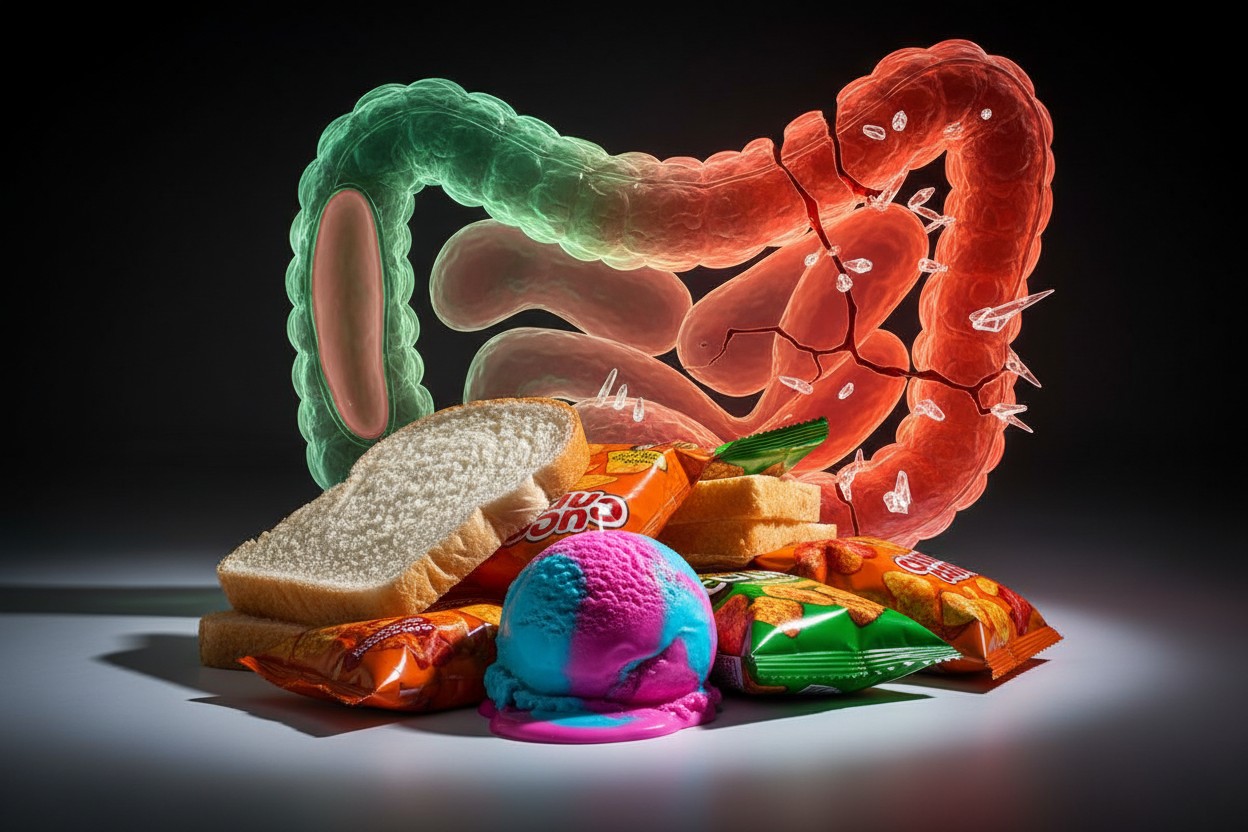
A new narrative review published in the journal Nutrients has found that high consumption of ultra-processed foods is associated with an increased risk of developing Crohn’s disease, a form of inflammatory bowel disease (IBD).
The review, which analyzed over a decade of research including population data, mechanistic experiments, and dietary interventions, found a consistent link between higher intake of these foods and Crohn’s disease risk, according to a report by mindbodygreen [1]. The association was weaker for ulcerative colitis, suggesting Crohn’s disease may be especially sensitive to dietary exposures.
The review examined multiple large observational studies that tracked dietary patterns and IBD outcomes. Across those studies, individuals who consumed the most ultra-processed foods had a significantly higher risk of Crohn’s disease. The review reported that the association remained after adjusting for total calorie, fat, and carbohydrate intake, indicating that the structural properties of ultra-processed foods — not just their nutrient composition — may be important [1]. Globally, nearly five million people now live with IBD, and rates continue to rise fastest in countries where ultra-processed foods dominate the diet, as noted in the same report.
What the Research Found
The narrative review synthesized findings from population-level studies, laboratory experiments on gut tissue and microbes, and clinical dietary interventions. The pattern that emerged from this broad analysis was consistent: higher intake of ultra-processed foods correlated with greater Crohn’s disease risk. The finding was independent of total energy intake, suggesting that the processing itself may be a driving factor [1]. A separate body of research, as reported by NaturalNews.com, has also linked ultra-processed food consumption to a significantly higher risk of developing IBD, including Crohn’s disease [2].
Published in the BMJ, that earlier international study found that IBD is more prevalent in industrialized nations, pointing to dietary factors as a potential cause [2]. Together, the converging epidemiological evidence strengthens the case that diet plays a role in IBD onset, though researchers caution that the data remain observational and do not prove causation.
Why Ultra-Processed Foods May Affect the Gut
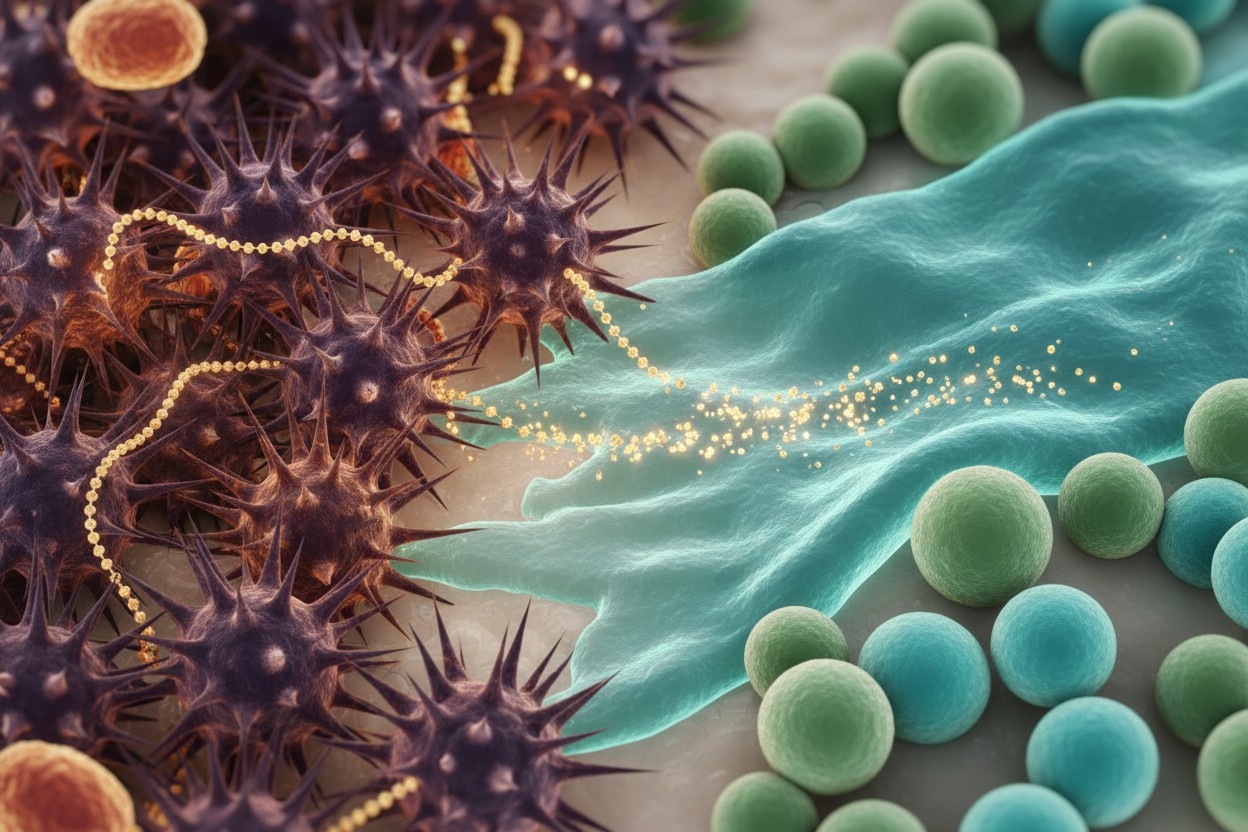
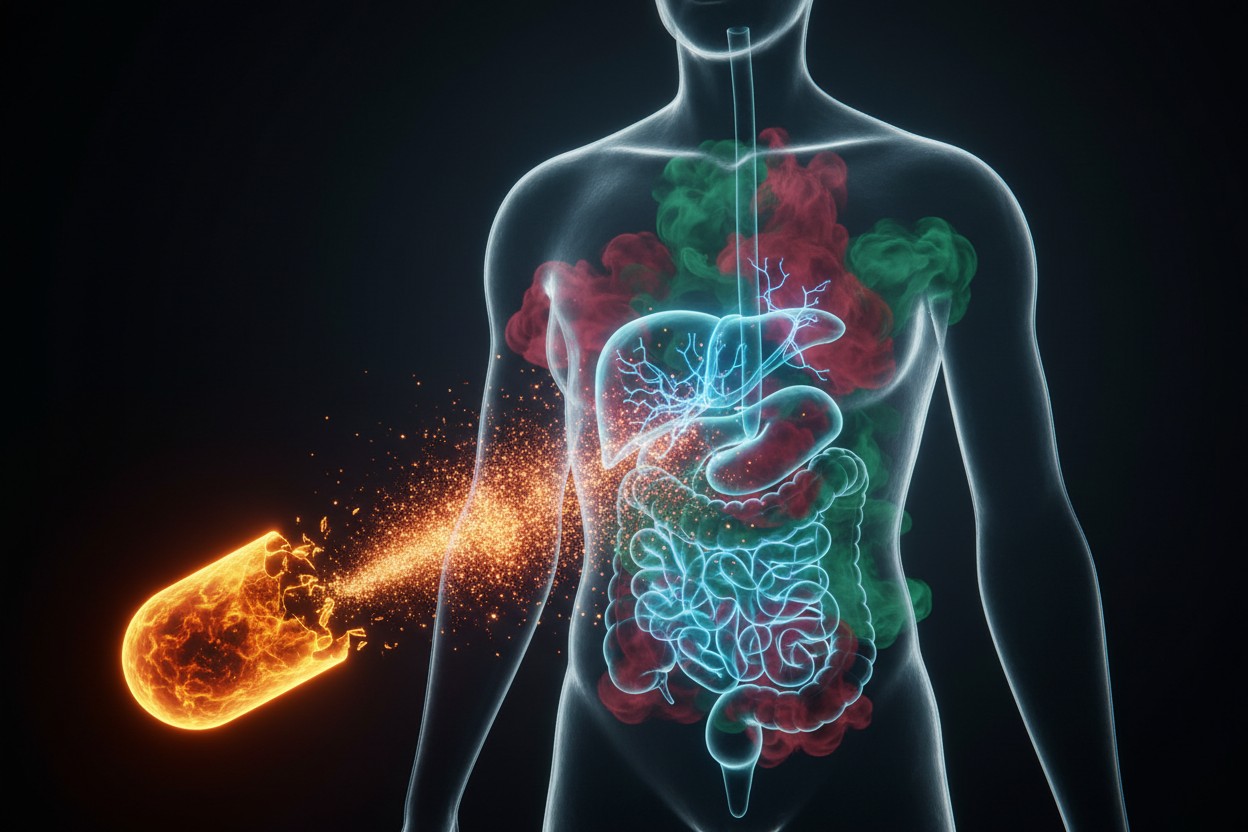
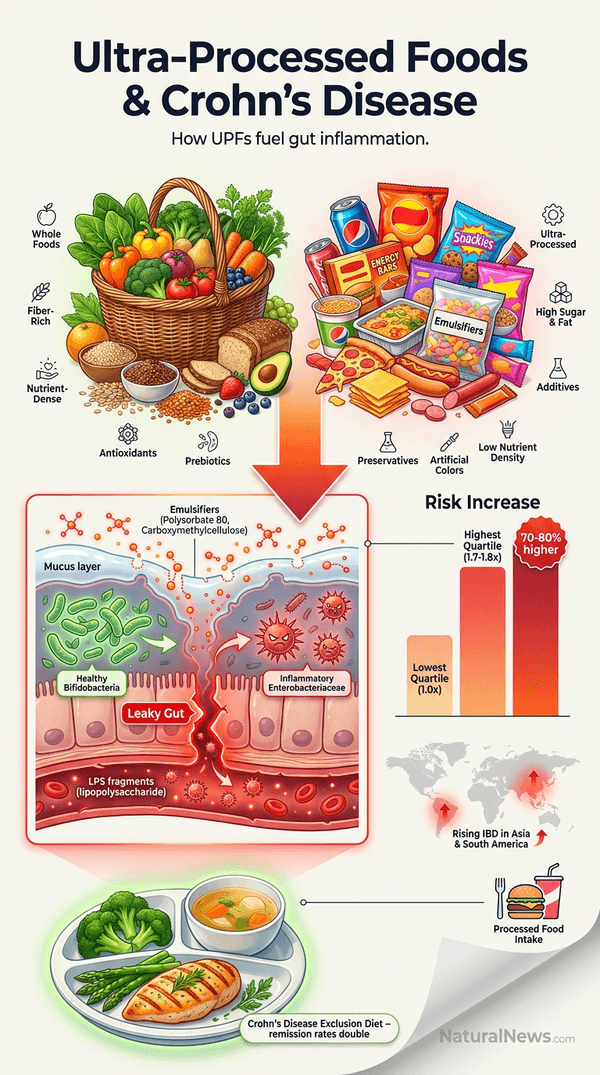
Mechanistic studies have identified specific additives in ultra-processed foods that may harm the gut. Emulsifiers such as polysorbate 80, commonly used to improve texture and shelf life, have been linked to gut inflammation and metabolic disorders [3]. According to research cited in a NaturalNews.com article, these additives can degrade the protective mucus layer of the intestine, allowing bacteria to contact intestinal tissue directly and triggering inflammatory responses [3]. Similarly, artificial sweeteners and thickeners have been shown to disrupt the gut microbiome, reducing beneficial microbes and promoting inflammatory species.
These changes can increase intestinal permeability — often called “leaky gut” — which may allow bacterial fragments to enter the bloodstream and activate immune responses. Over time, this low-grade immune activation may contribute to the chronic inflammation seen in Crohn’s disease. The book “Nutrition in Inflammatory Bowel Disease IBD” notes that dietary factors, including food additives, play a major role in the gut microenvironment and can influence microbial composition and intestinal barrier function [4]. These findings align with broader research showing that environmental factors such as diet and pollutants are key drivers of IBD in industrialized societies [4].
Implications for Health and Disease Management
Among people already diagnosed with IBD, higher consumption of ultra-processed foods has been associated with greater disease activity and higher relapse risk, according to the mindbodygreen report [1]. Conversely, dietary approaches that sharply reduce ultra-processed foods — such as the Crohn’s Disease Exclusion Diet — have been shown to induce remission, particularly in children [1]. A landmark trial mentioned in a NaturalNews.com article found that Crohn’s patients who avoided emulsifiers were twice as likely to achieve remission, further supporting the role of these additives in disease activity [3].
The same gut changes linked to Crohn’s disease — microbiome disruption, barrier breakdown, and chronic inflammation — are also tied to metabolic disease, immune dysfunction, and mental health conditions. Even for individuals without IBD, reducing ultra-processed food intake may support overall gut and systemic health. The book “Nutrition in Inflammatory Bowel Disease IBD” underscores that diet is a key environmental factor influencing gut homeostasis and immune regulation [4].
Key Takeaways and Future Research
Researchers note that the convergence of epidemiological and mechanistic data strengthens the case that ultra-processed foods have a real effect on Crohn’s disease risk. However, the evidence remains observational, and further studies are needed to identify which specific additives are most harmful and whether reducing intake can lower disease risk. The review calls for more prospective studies and clinical trials to establish causality [1].
No immediate dietary recommendations have been issued, but researchers suggest increased awareness of the frequency of ultra-processed food consumption. The review highlights that the form and processing of food may be as important as its nutrient content for intestinal health. As research continues, maintaining a diet centered around whole or minimally processed foods may be a practical step for those concerned about gut health [1].
References
- Eating More Ultra-Processed Foods May Raise Crohn’s Disease Risk – mindbodygreen. Ava Durgin. May 08, 2026.
- Study: Ultra-processed foods linked to increased risk of developing inflammatory bowel disease – NaturalNews.com. April 20, 2022.
- Hidden food chemicals in many ‘health’ foods linked to gut damage, cancer and metabolic disorders – NaturalNews.com. Cassie B. May 27, 2025.
- Nutrition in Inflammatory Bowel Disease IBD. (Book excerpt with references).
Explainer Infographic:
Submit a correction >>
Tagged Under:
Censored Science, clean food watch, crohns disease, diet, food science, gut health, health science, IBD, immune system, inflammatory bowel disease, leaky gut, metabolic health, natural health, nutrients, research, stop eating poison
This article may contain statements that reflect the opinion of the author
RECENT NEWS & ARTICLES